International Men’s Day: R.S.V.P (1992 book published by Thomas Oaster).
JPG version below:

PDF version below:
International Men’s Day: R.S.V.P (1992 book published by Thomas Oaster).
JPG version below:
PDF version below:
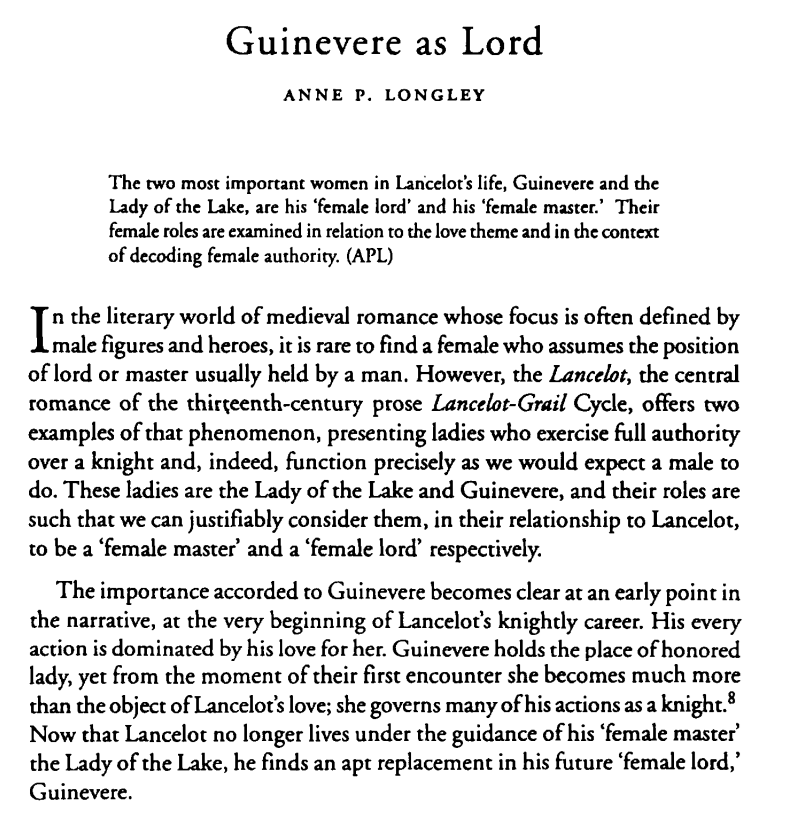
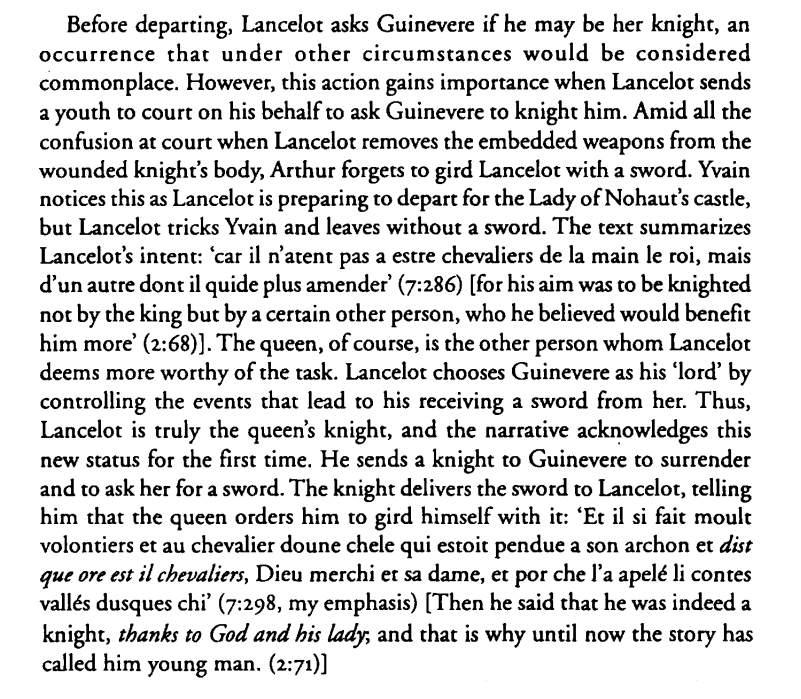
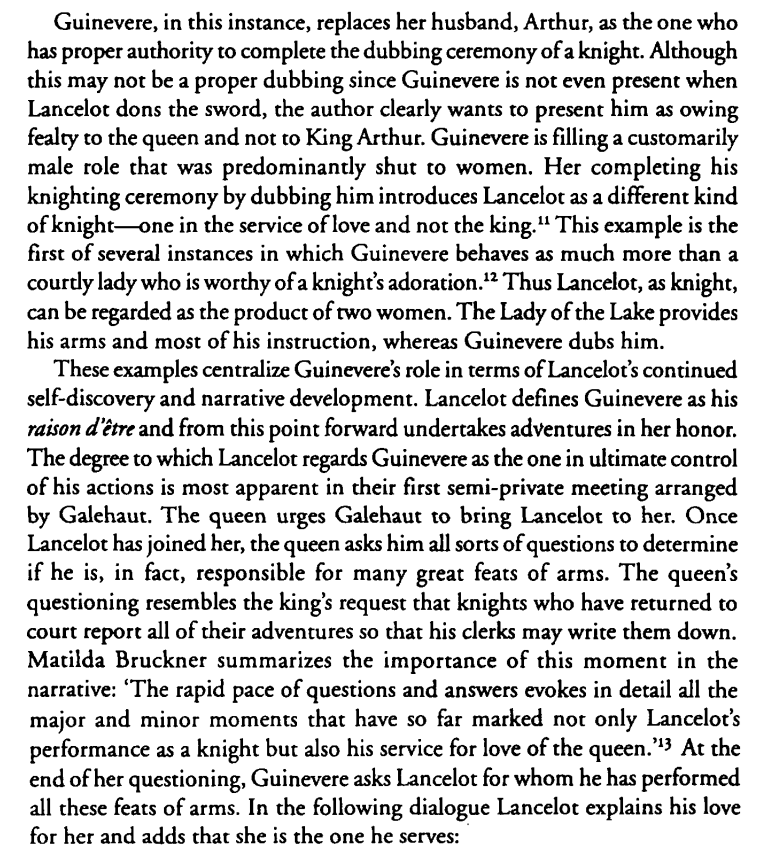
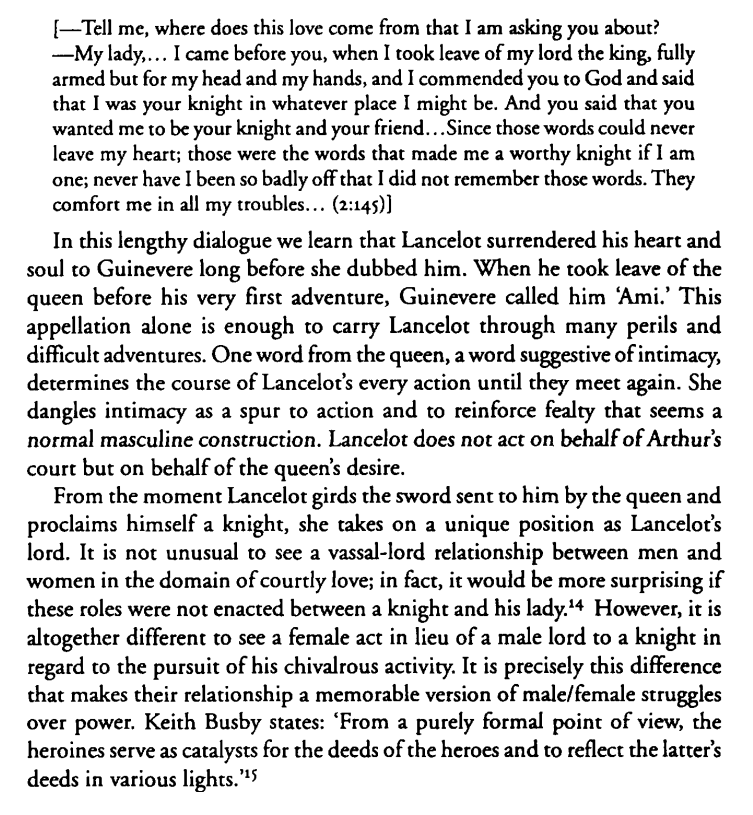
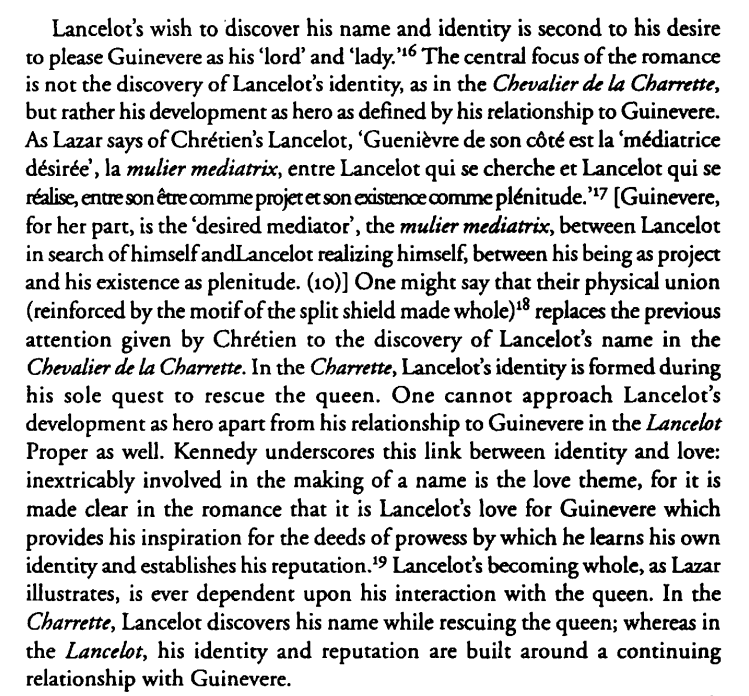
The following excerpts are from ‘Guinevere as Lord’ – an essay by Anne P. Longley, in Arthuriana Vol. 12, No. 3, Essays on the “Lancelot–Grail Cycle” (FALL 2002), pp. 49-62.
Is evolutionary psychology telling ‘just-so stories’? The overload of hypotheses appears to vindicate this concern.
The table below compares the approximate number of major speculative hypotheses across several biology-based research fields, including evolutionary psychology, evolutionary biology, genetics, molecular biology, and cell biology. All of these disciplines are grounded in biological science, rather than sociology or cultural theory.
The numbers are comparative estimates derived from analyses using multiple AI systems. In this context, “major speculative hypotheses” refers to distinct, named hypotheses concerning specific traits, behaviors, or biological mechanisms that are actively discussed in the scientific literature. The purpose of the table is to highlight the substantial differences in both the number and specificity of such hypotheses across these biological disciplines.
Discipline |
Approximate number of major speculative hypotheses |
|---|---|
|
Evolutionary Psychology
|
200–500+
|
|
Evolutionary Biology
|
~10–20
|
|
Genetics
|
~10–15
|
|
Molecular Biology
|
~5–10
|
|
Cell Biology
|
~3–5
|
The dramatically higher number of major speculative hypotheses in evolutionary psychology has fueled one of the field’s most persistent criticisms: that many of its explanations amount to ‘just-so stories.’ Coined by critics like Stephen Jay Gould, the term refers to plausible but potentially untestable or post-hoc adaptive narratives that can be crafted for nearly any human trait or behavior. While evolutionary psychologists argue that these hypotheses generate testable predictions (unlike Kipling’s whimsical tales), the sheer volume invites scrutiny about whether some prioritize storytelling over rigorous falsification.
If a field can generate hundreds of plausible adaptive explanations for observed behaviors, but has limited means of decisively falsifying them, then narrative fit can begin to substitute for empirical constraint. The result is not necessarily false theories, but a research landscape in which speculation accumulates faster than it can be reliably pruned. A high number of competing, trait-specific adaptive hypotheses can indicate that explanations are easier to generate than to rule out, allowing plausible narratives to multiply in the absence of strong constraints. Evolutionary psychology has generated a remarkable number of hypotheses about human behavior, but this proliferation is partly driven by certain reasoning pitfalls, of which two are outlined below.
Affirming the consequent: This is a logical fallacy in which a specific observation is taken as proof of a proposed cause. In evolutionary psychology, this often looks like: “If a trait evolved for a specific purpose, we should see it today. We do see it today. Therefore, it must have evolved for that purpose.” While intuitively appealing, this reasoning is weak because the same observation could arise from many alternative causes. Yet it forms the backbone of many evolutionary “just-so” stories, making it easy to generate new hypotheses without strong empirical constraints.
Presentism: This compounds the same tendency by interpreting modern human behaviors as direct windows into ancestral adaptations. Because our current environment differs dramatically from that of our hunter-gatherer ancestors, almost any behavior can be framed as an adaptive legacy. This encourages speculative explanations, where contemporary traits—cultural, social, or even maladaptive—are recast as evolutionary imperatives.
Together, these approaches make it easy to craft “just-so” stories, even when alternative explanations exist.
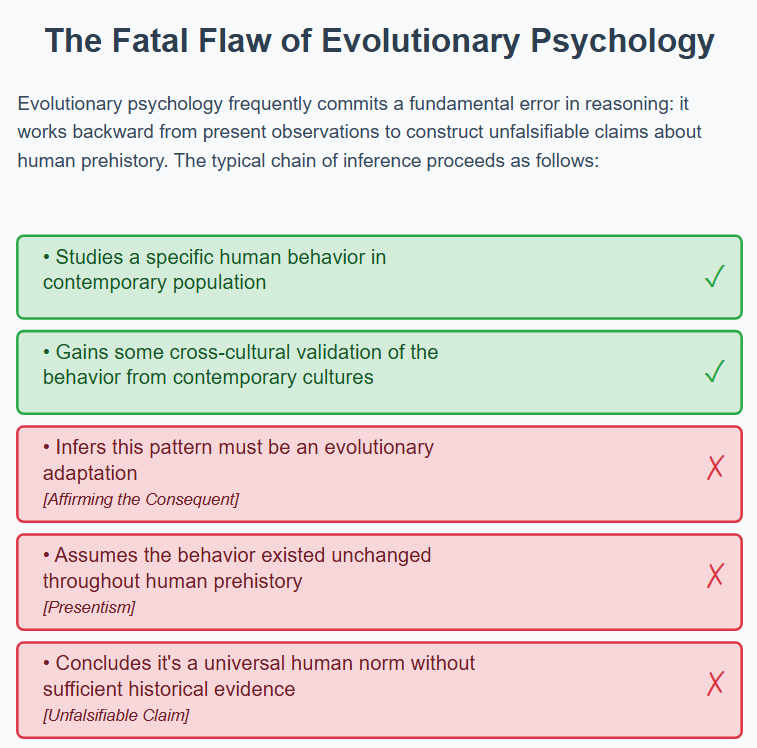
This speculative lens encourages ever more evolutionary explanations, many of which are difficult to falsify. Compared with other biology-based disciplines where mechanisms are directly testable and constrained, human behavior is proven to be complex, context-dependent, and historically distant. In evolutionary psychology, however, the combination of affirming the consequent and presentism has created fertile ground for endless adaptive storytelling, fueling both fascination and debate in the field.
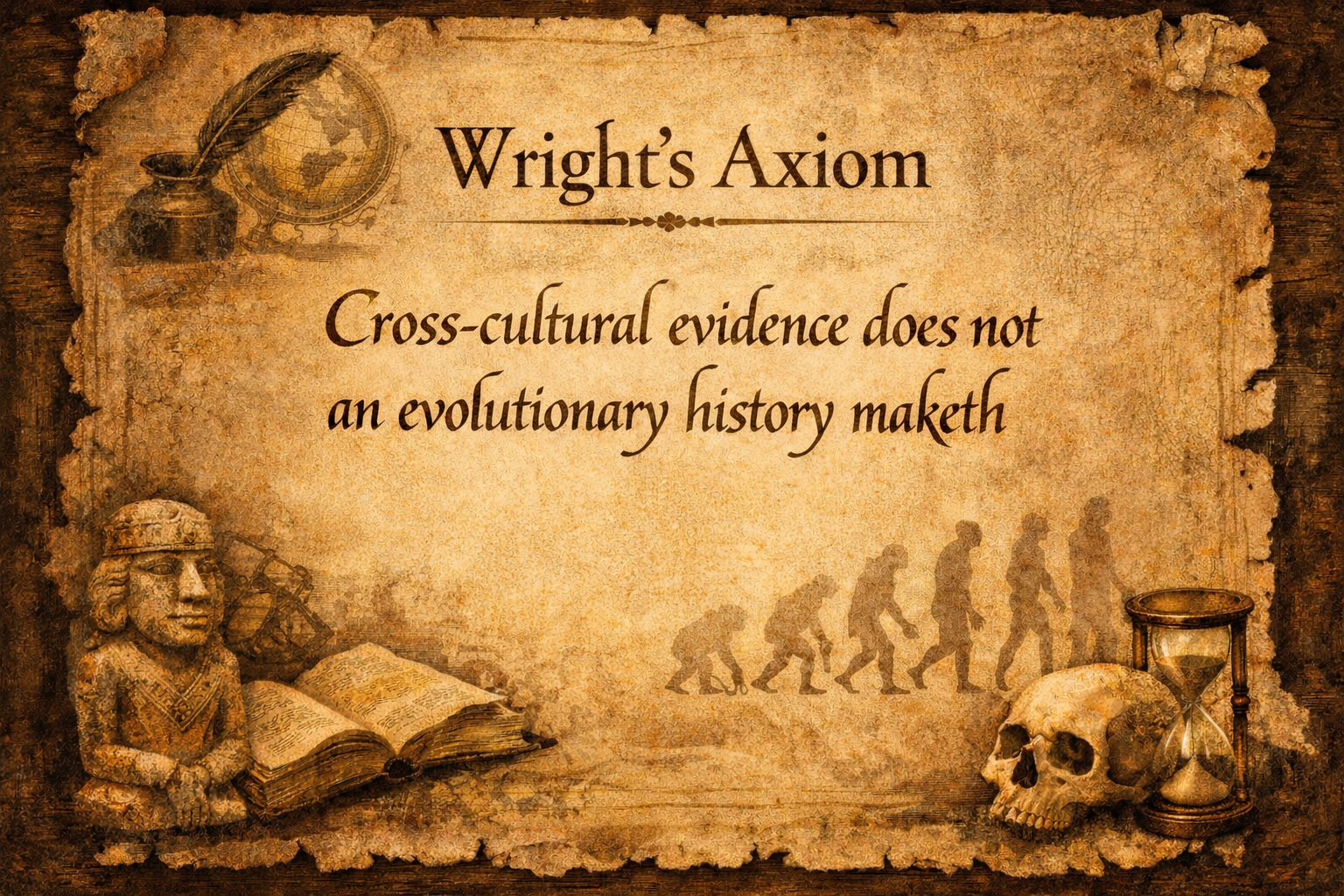
Cross-cultural evidence of contemporary behaviors does not prove evolutionary history. Modern traits can emerge from culture, environment, or chance, yet they are often framed as adaptive legacies. Retain this axiom if you to keep some healthy skepticism intact: